Introduction
Ketones serum refers to the amount of ketones found in your blood. Doctors often use a serum ketone test to check for high ketones in blood. This test helps find out if your body is using fat for energy instead of sugar. Understanding ketones serum meaning is important, especially for people with diabetes or those on special diets. When ketone levels are too high or too low, it can signal a health problem. In this blog, you will learn what ketones serum means, why it matters, and how it is tested.
What is Ketones Serum?
Ketones are chemicals made when your body breaks down fat for energy. Usually, your body uses sugar (glucose) for energy. However, if there is not enough sugar, your body starts to use fat instead. As a result, ketones build up in your blood. The term “ketones serum” means the level of these chemicals in your blood. Doctors check this level to see how your body is working. For example, people with diabetes may have high ketones if their blood sugar is not controlled.
Why Are Ketones Measured in Serum?
Doctors measure ketones in serum to check your health. Sometimes, your body makes too many ketones. This can be dangerous. For instance, high ketones in blood can lead to a serious problem called diabetic ketoacidosis (DKA). On the other hand, low ketone levels are usually not a problem. But, measuring ketones helps doctors find out if your body is using energy the right way. In addition, it helps guide treatment for people with diabetes or those on special diets.
Causes of High or Low Ketones in Serum
Many things can change your serum ketone levels. Here are some common causes:
Because many factors affect ketones, it is important to talk to your doctor about your results.
How is a Serum Ketones Test Done?
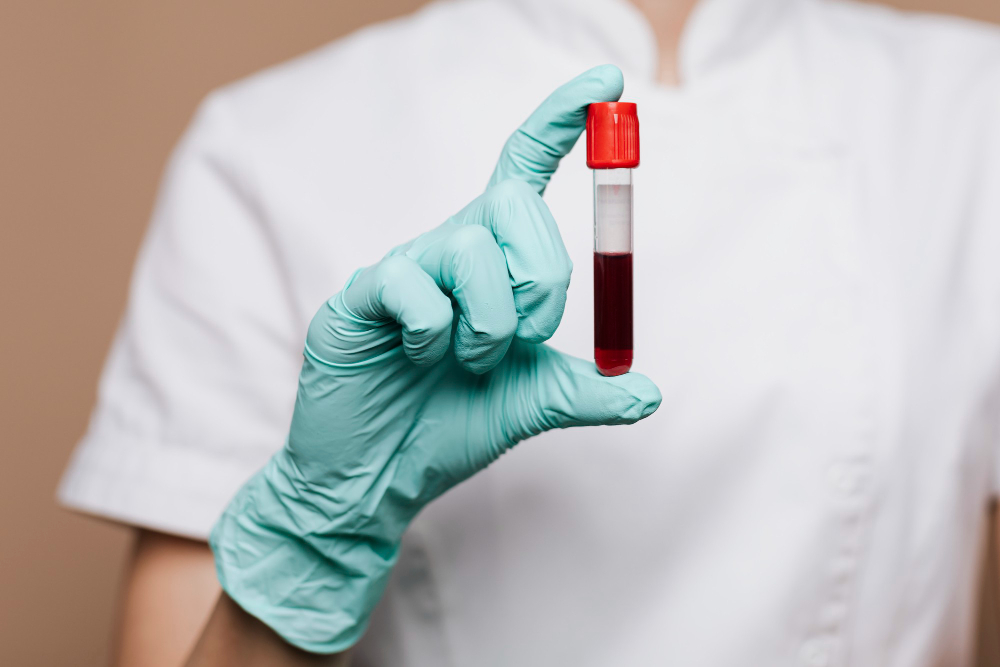
Getting a serum ketone test is simple. First, a healthcare worker takes a small blood sample from your arm. Then, the sample goes to a lab for testing. You may need to fast before the test, but your doctor will tell you if this is needed. The test measures the amount of ketones in your blood. Usually, results are ready within a day. If your doctor suspects a problem, they may order other tests too.
Symptoms and Health Risks of Abnormal Serum Ketones
Abnormal ketones in serum can cause symptoms. For example, high ketones may lead to:
In severe cases, high ketones can cause diabetic ketoacidosis (DKA). This is a medical emergency. On the other hand, low ketones usually do not cause symptoms. However, always tell your doctor if you notice any changes in how you feel.
Interpreting Your Serum Ketone Results
After your test, your doctor will explain your serum ketone results. Here is what the numbers may mean:
Because each lab may use different numbers, always ask your doctor to explain your results. If you have diabetes, your doctor may adjust your treatment based on your ketone levels.
Prevention and Lifestyle Tips
There are ways to keep your serum ketone levels healthy. For example:
Because prevention is key, always talk to your healthcare provider before making big changes to your diet or exercise routine.
Sources: Centers for Disease Control and Prevention (CDC), World Health Organization (WHO), PubMed.
For personalized advice on your serum ketone levels, consult a healthcare professional.