What is the Troponin I Test?
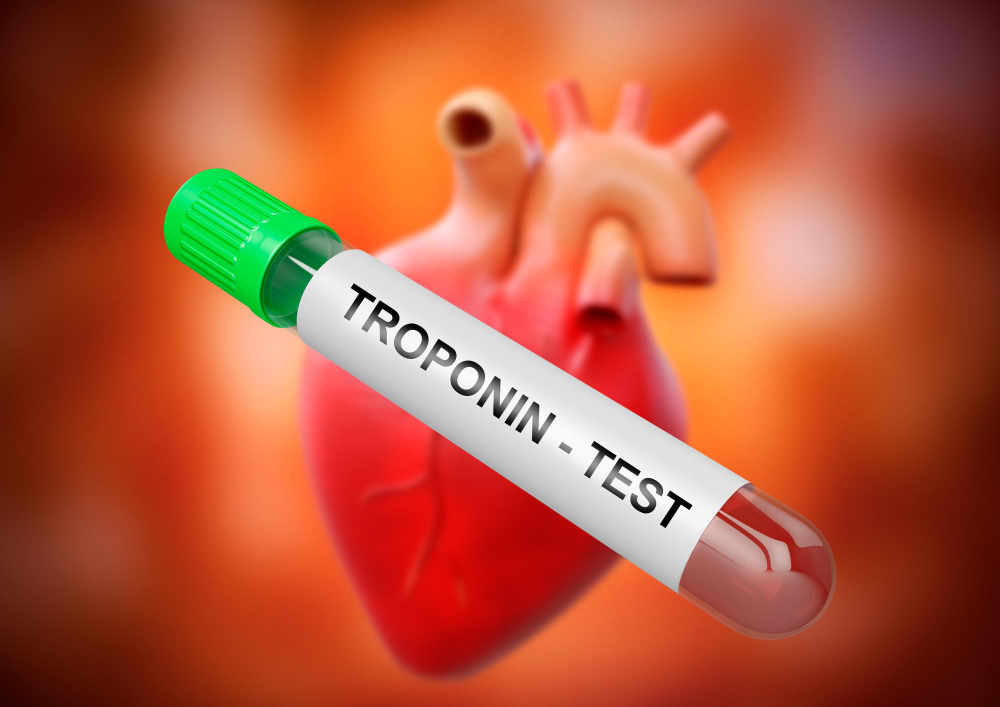
The Troponin I Test is a blood test that checks for a protein called troponin I. This protein is found in your heart muscle. When your heart is damaged, troponin I leaks into your blood. Because of this, doctors use the Troponin I Test to look for signs of heart injury. Often, it helps in diagnosing a heart attack. Many hospitals use this test as a key tool for checking heart health. According to the Centers for Disease Control and Prevention (CDC), it is one of the most common cardiac biomarker tests.
Why is the Troponin I Test Done?
Doctors order the Troponin I Test when they suspect heart damage. For example, if you have chest pain or other symptoms of a heart attack, this test can help. Sometimes, it is used to check for other heart problems too. Common reasons for the test include:
Additionally, doctors may use the Troponin I blood test to monitor ongoing heart conditions. In some cases, it helps rule out a heart attack if your symptoms are unclear.
How is the Troponin I Test Performed?
Getting a Troponin I Test is simple and quick. Usually, it takes place in a hospital or clinic. Here is what you can expect:
Sometimes, doctors may order several Troponin I blood tests over a few hours. This helps track changes in your troponin levels over time.
Understanding Your Troponin I Test Results
After your test, your doctor will review your results. Troponin I levels are measured in nanograms per milliliter (ng/mL). Here is what your results may mean:
For example, heart failure, severe infection, or kidney disease may also cause high troponin I. Because of this, your doctor will look at your symptoms and other tests before making a diagnosis. Understanding Troponin I results can be confusing, so always ask your doctor to explain your numbers.
Risks and Limitations
Although the Troponin I Test is safe, there are a few risks. These are the same as with any blood test. For instance, you may have:
However, these problems are uncommon. The test also has some limitations. For example, certain health conditions can affect your results. Kidney disease, intense exercise, or severe infection may cause higher troponin I levels. Because of this, the test is not perfect for every situation. Always discuss your full health history with your doctor.
Frequently Asked Questions
Is the Troponin I Test only for heart attacks?
No, while it is mainly used for heart attack diagnosis, it can also help check for other heart problems.
How long does it take to get results?
Often, results are ready within a few hours. In emergencies, labs may process the test faster.
Can anything affect my Troponin I Test results?
Yes, kidney disease, infections, or even heavy exercise can raise your troponin I levels.
Do I need to prepare for the test?
Usually, no special preparation is needed. However, always follow your doctor’s instructions.
When to Consult a Doctor
If you have chest pain, shortness of breath, or feel faint, seek medical help right away. Even if your Troponin I Test is normal, ongoing symptoms need attention. Furthermore, if you have questions about your results, talk to your doctor. They can explain what your numbers mean for your health. In summary, only a healthcare professional can give you the right advice for your situation.
Consult a healthcare professional for personalized advice about your Troponin I Test results.